Water damage restoration in Homewood, Illinois.
Flooded basement, burst pipe, sewage backup, smoke after a kitchen fire. One number, day or night, and a person at the Homewood shop picks up. A crew is usually at the house within 60 minutes inside the I-294 loop; farther out we tell you the real time when you call.
Open 24 hours, 7 days. Renee or the on-call lead answers, not a call centre, and the first visit and the written estimate are free.
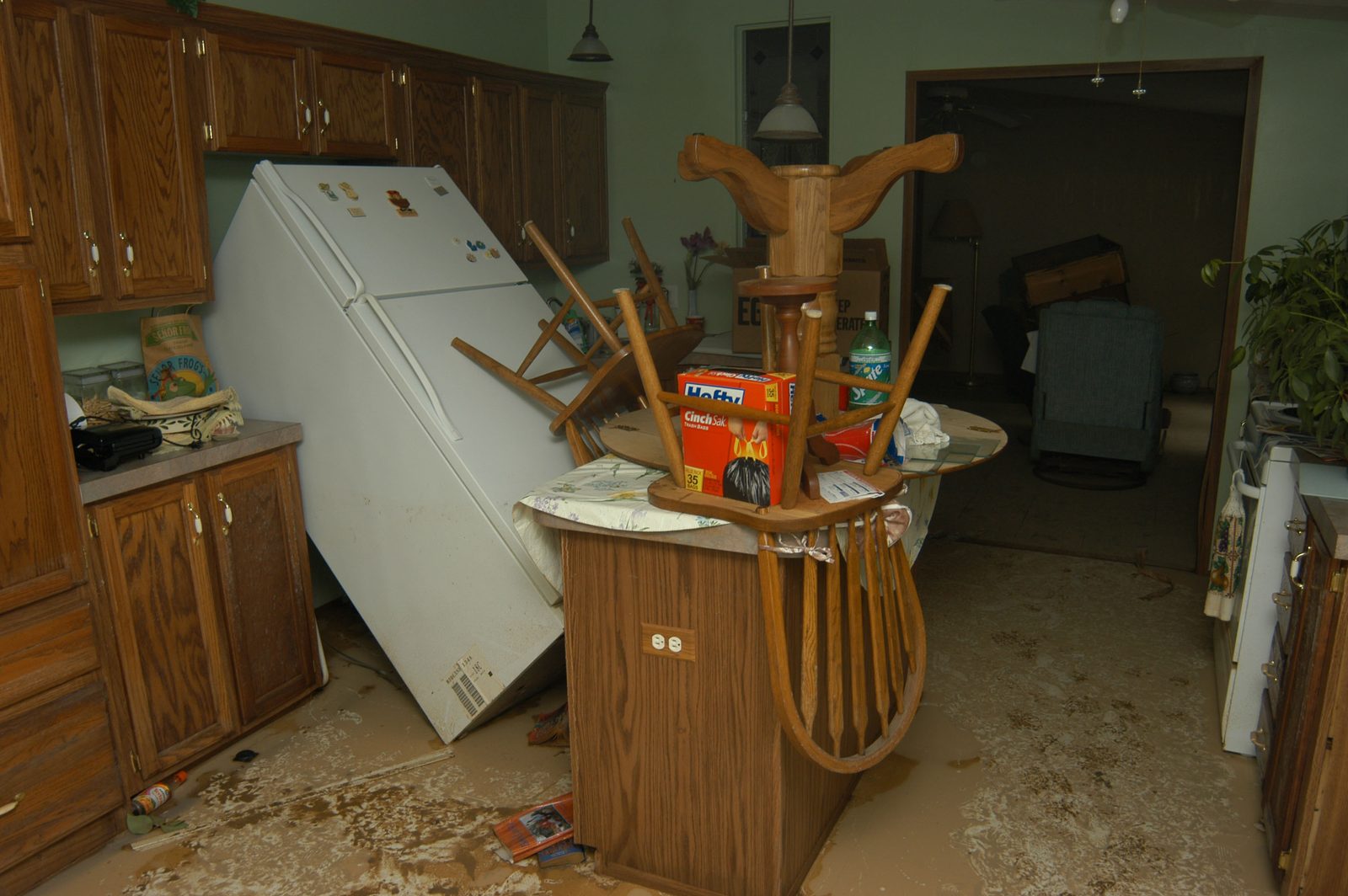
- IICRC Certified Firm #000000 (demo number). The Institute of Inspection, Cleaning and Restoration Certification.
- WRT and FSRT certified technicians on every water and fire job; AMRT certified technicians on the mold crew.
- Illinois Roofing Contractor License 104.000000 (demo number), held for storm board-ups and roof tarping.
- Insured, general liability and workers' comp. The certificate is emailed to you before the first truck leaves the shop.
The quick answer.
Stop the water if you safely can, call us, and do not run a fan on it for two days and hope. Water that sits past 48 hours in a Homewood basement grows mold; water that is out in the first few hours usually costs a drywall cut and four days of drying, not a gut.
Key takeaways
- The first hour is extraction. Pumps and truck-mounted extractors take the standing water out before anything else happens.
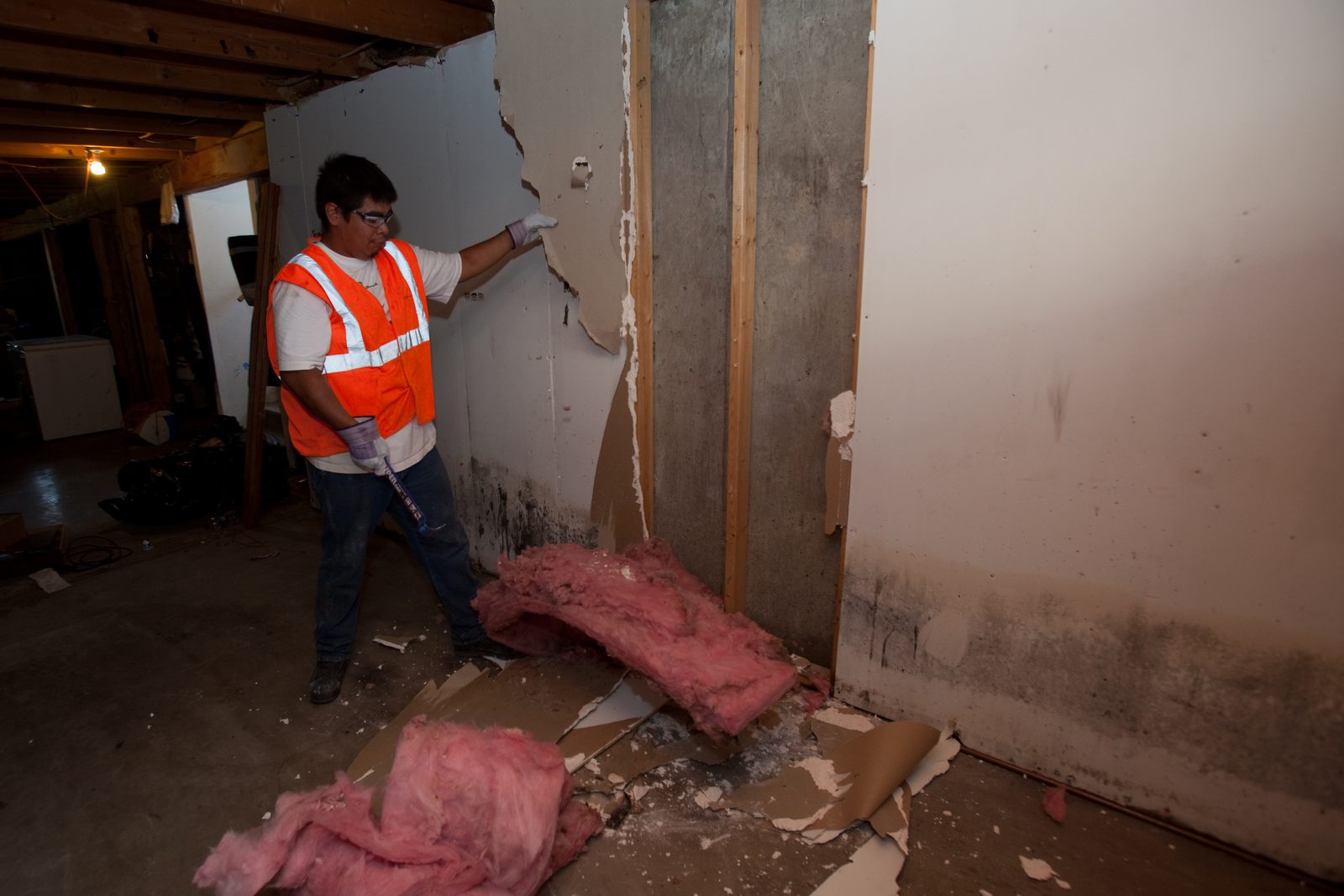
- Day one is the cut. Baseboard off, wet drywall out at the water line, insulation bagged, equipment placed, moisture map drawn.
- Dry is a reading, not a feeling. Daily meter readings against a dry standard from an unaffected room, written in the log you get a copy of.
- One crew from the phone call to the walkthrough. Mitigation, remediation if there is mold or sewage, and the rebuild, priced in writing at each stage.
Renee started Calumet Restoration Co in 2011 after eleven years running crews for a franchise in Tinley Park. She still takes the 2am calls herself and reads every moisture log before a job is called dry.
The shop is on Dixie Highway in Homewood, six technicians on three trucks, all employees.
Straight answer: who do you call when there is water in the house?
Three different trades touch a flooded basement, and calling them in the wrong order costs a day. Here is the order, and what to do in the half hour before our truck turns onto your street.
Who to call, in order
- If water is still coming in from a pipe, a water heater or a failed sump, a plumber. If it is the sewer in the street backing up, your village public works line, which creates a record of the backup and sometimes a crew with a jetter.
- Us, at the same time or as soon as the water is stopped. We do not fix the pipe; we take the water out, dry the structure and rebuild what came out. Calling us while the plumber is on the way saves the hours that grow mold.
- An electrician only if the panel or outlets took water. If the panel is in the flooded part of the basement, do not go down there; we bring a technician who can cut power safely before anyone steps in.
Before we arrive
- Shut the main water valve if the source is a pipe. In most south Cook houses it is on the street side of the basement, near the meter.
- Do not step into standing water if any outlet, cord or the panel is under it. Wait for us.
- Turn the furnace and air conditioner off so the blower does not pull wet air through the whole house.
- Move what you can lift out of the wet rooms: rugs, boxes, photos, anything on the floor. Leave the heavy pieces.
- Take photos of the water line and the source with your phone before anything moves. They go into the written record we give you.
- Keep the pets upstairs and the kids out of the basement. Sewage water, even an inch, is a Category 3 loss.
What actually happens: the first five days.
Every water job in this area runs on roughly the same clock. Here is what the crew is doing each day and what you will see in the house.
-
Hour 1from the call, inside the I-294 loop
Get it out
The truck arrives, the lead confirms the source is stopped, and the pumps and truck-mounted extractor take the standing water out. Wet carpet pad comes up. Contents move to a dry room or the garage, photographed as they go.
-
Day 1the same day, usually by evening
Open it up
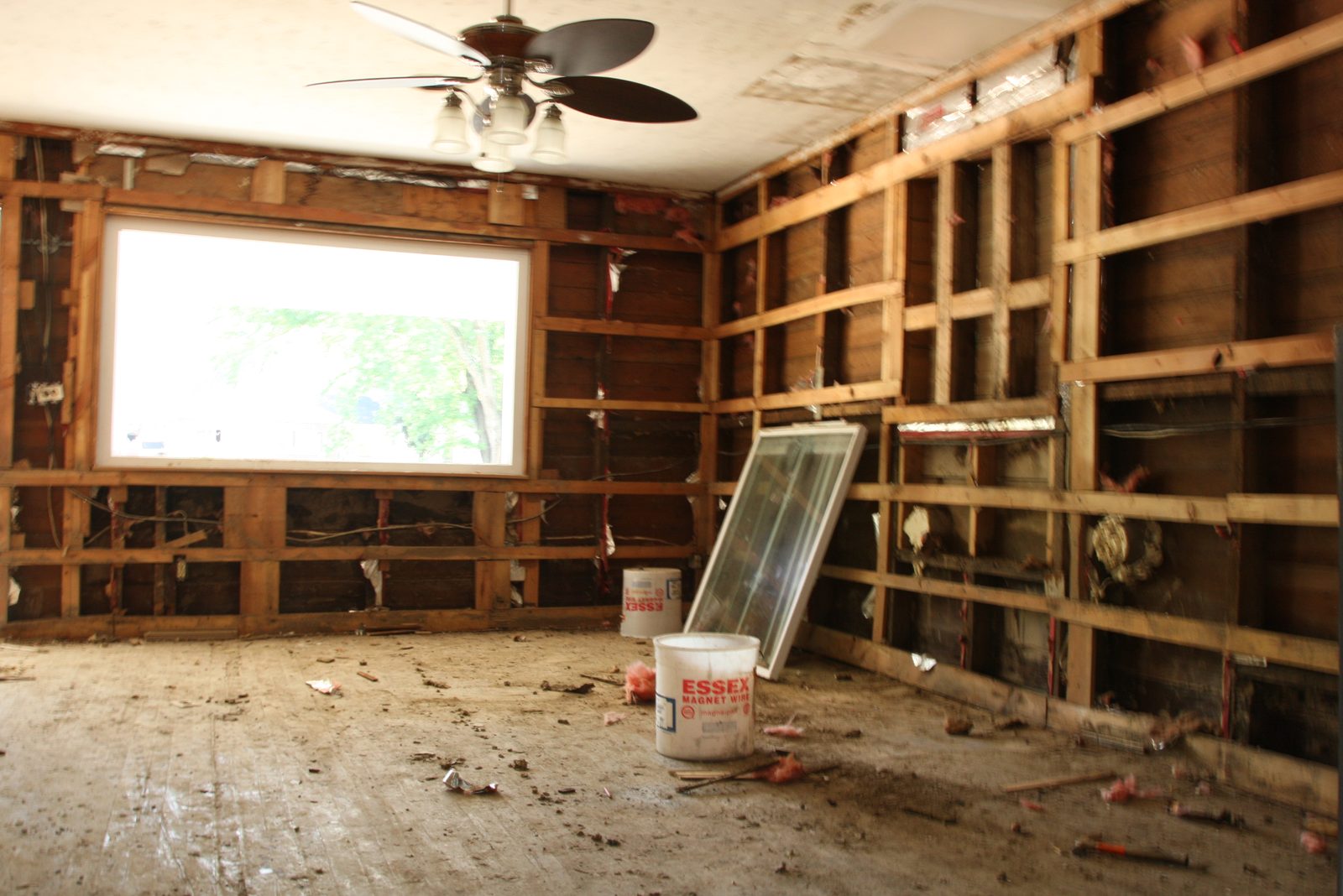
Baseboard off, drywall cut at two feet or four feet depending on the water line, wet insulation bagged, cabinet toe-kicks drilled so air reaches under them. Air movers and a dehumidifier go in, and the first moisture map is drawn on the floor plan.
-
Days 2 and 3one visit a day, about 30 minutes
Read and adjust
A technician takes meter readings at every marked point, moves equipment to the wet spots that are drying slowest, and applies antimicrobial where the water was anything other than clean. You see the log each visit.
-
Day 3 or 4when the readings say so
Verify
Readings are compared with the dry standard set on day one from an unaffected room in your house. Nothing is called dry by feel or by the calendar. If a joist is still wet, the equipment stays another day and you are told why.
-
Day 5 onwardrebuild is a separate written estimate
Dry and rebuild
Equipment out, the final readings in your copy of the log, and a written, itemized rebuild estimate. Drywall, insulation, trim, paint and flooring go back in, and you walk the rooms with the lead before we call it finished.
Our process, from the phone call to the walkthrough.
Call (708) 555-0144Call and dispatch
Renee or the on-call lead answers, asks four questions (where the water is, whether it is stopped, how long it has been there, whether power is on), and a truck leaves the Homewood shop. Usually within 60 minutes inside the I-294 loop; farther out we tell you the real time on the call.
Inspection and written scope
The lead walks the house with a moisture meter and a thermal camera, photographs everything, marks the water line and writes the scope on site. The inspection is free, and nothing beyond stopping further damage starts before you have the written estimate.
Extraction
Standing water out with pumps and the truck-mounted extractor, carpet pad up, and the water source confirmed stopped before a single air mover is placed.
Drying and daily readings
Air movers, low-grain dehumidifiers and, where a hardwood floor can be saved, a floor-drying mat system. Readings taken daily at every marked point and written in a log you get a copy of.
Cleaning and sanitizing
Antimicrobial on every surface that took grey or black water, HEPA air scrubbing where there was mold or soot, odour treatment where there was smoke. Contents cleaned on site or packed out, inventoried and brought back.
Rebuild and walkthrough
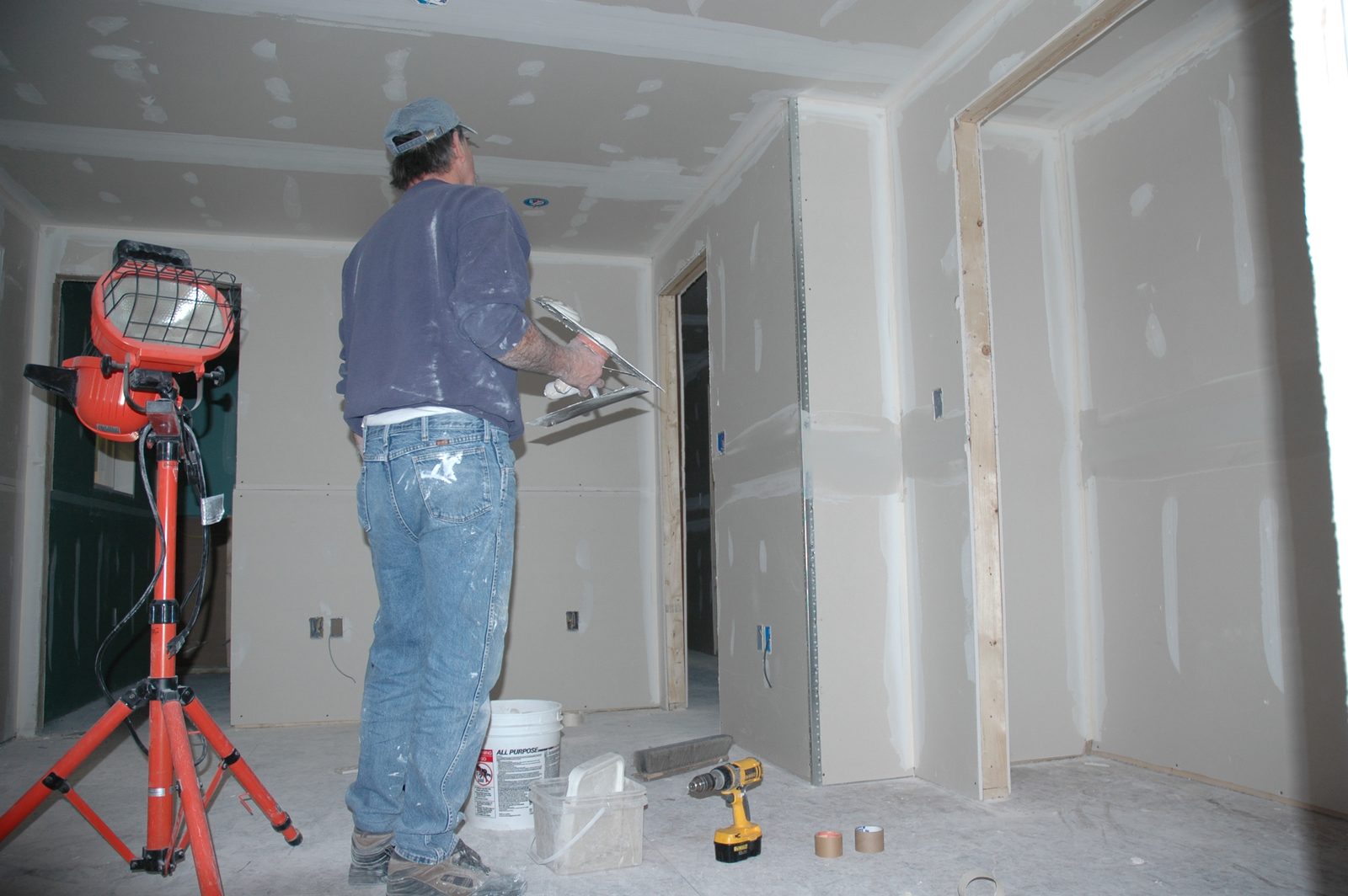
A separate written rebuild estimate, then drywall, insulation, trim, paint and flooring by the same crew. The job ends with you and the lead walking every room, not with an invoice in the mailbox.
Water first, then everything water leads to.
Most of our calls start as water. Half of them turn into something else by day two: a sewer line, mold behind a wall, a kitchen fire that was put out with a hose. The same crew stays on the job through each of them.
- Water damage restoration Burst pipes, sump failures, water heaters, ice dams, overflowed tubs and dishwashers. Extraction, structural drying with daily readings, then the rebuild.
- Sewage backup cleanup Category 3 water: floor drain and sewer backups, ejector pit failures. Removal of everything porous it touched, disinfection, air scrubbing, and a clearance before anyone moves back in.
- Mold remediation Containment under negative air, removal of the affected material, HEPA cleaning, and the moisture problem fixed so it does not come back. IICRC AMRT certified technicians; we do not spray and paint over it.
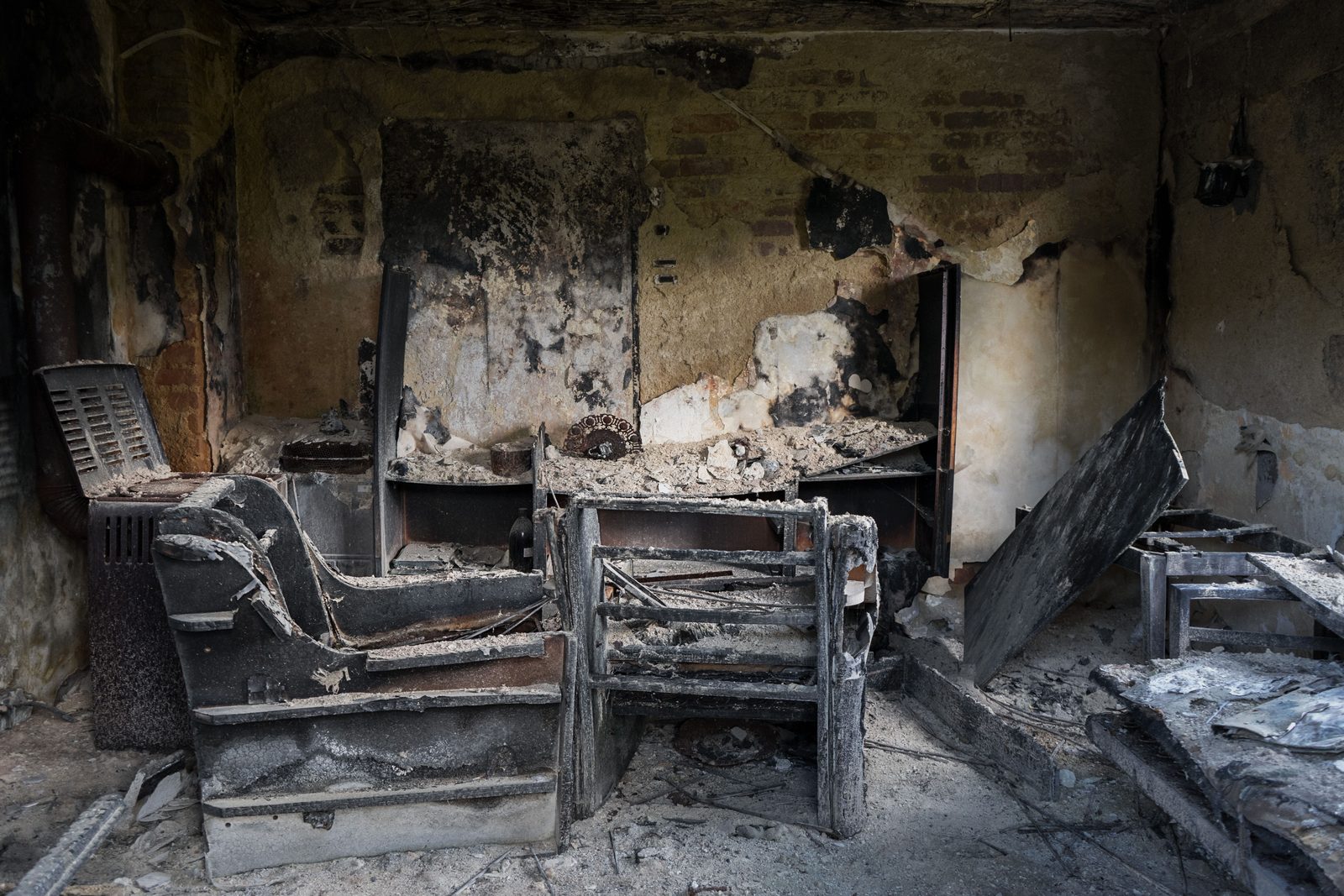
- Fire and smoke damage restoration Soot and smoke cleaning, odour removal with thermal fogging and ozone, water cleanup from the fire department's hose, and the rebuild of what the fire took.
- Storm damage Board-up and roof tarping after wind, hail or a fallen tree, then the drying inside. Tarping is roofing work in Illinois, and we hold Illinois Roofing Contractor License 104.000000 (demo number) for it.
- Contents Pack-out of furniture, clothing, documents and photos, each item inventoried and photographed, cleaned at the shop, stored dry, and brought back when the rooms are finished.
- Rebuild Drywall, insulation, trim, paint, flooring and cabinets, by the crew that did the drying, priced in a separate written estimate so you can compare it with anyone else's.
What it costs, in ranges we will stand behind.
No restoration company can price a job from the phone, and anyone who does is guessing. These are the ranges most of our jobs land in, so you know what you are walking into before the truck arrives. The written estimate is the number.
- Clean water, one room: extraction and three to four days of drying$1,300 to $2,800
- Flooded finished basement: extraction, drywall cut, drying$2,500 to $6,300
- Sewage backup, basement: removal, disinfection, drying, clearance$3,000 to $9,000
- Mold remediation, one contained area under 100 square feet$1,500 to $5,000
- Fire and smoke, one room: cleaning, odour treatment, contents$3,000 to $12,000
- Rebuild after any of the aboveSeparate written estimate
Typical Chicagoland ranges, demo figures. Each job is priced in writing after the inspection, itemized line by line, and the number on the paper is the number you pay.
The insurance part, in plain words.
We photograph and document the damage, take moisture readings and map them, write an itemized Xactimate estimate, and give your insurer the records it asks for. We can meet your adjuster on site to walk the damage and explain our scope. Coverage decisions and the claim settlement stay between you and your insurer. We are not public adjusters. Your deductible is your responsibility and cannot be waived.
Recent jobs, captioned by town.
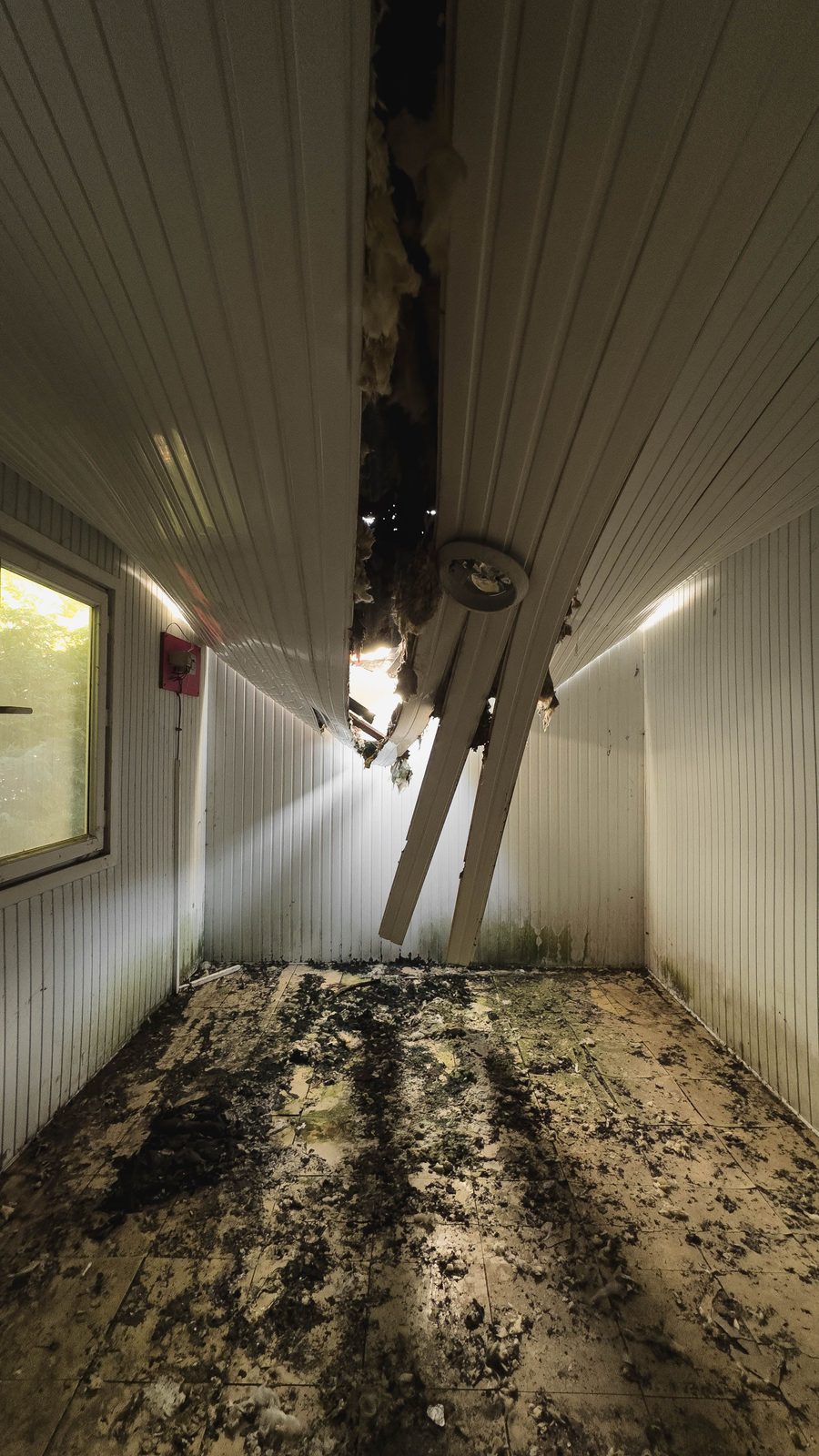
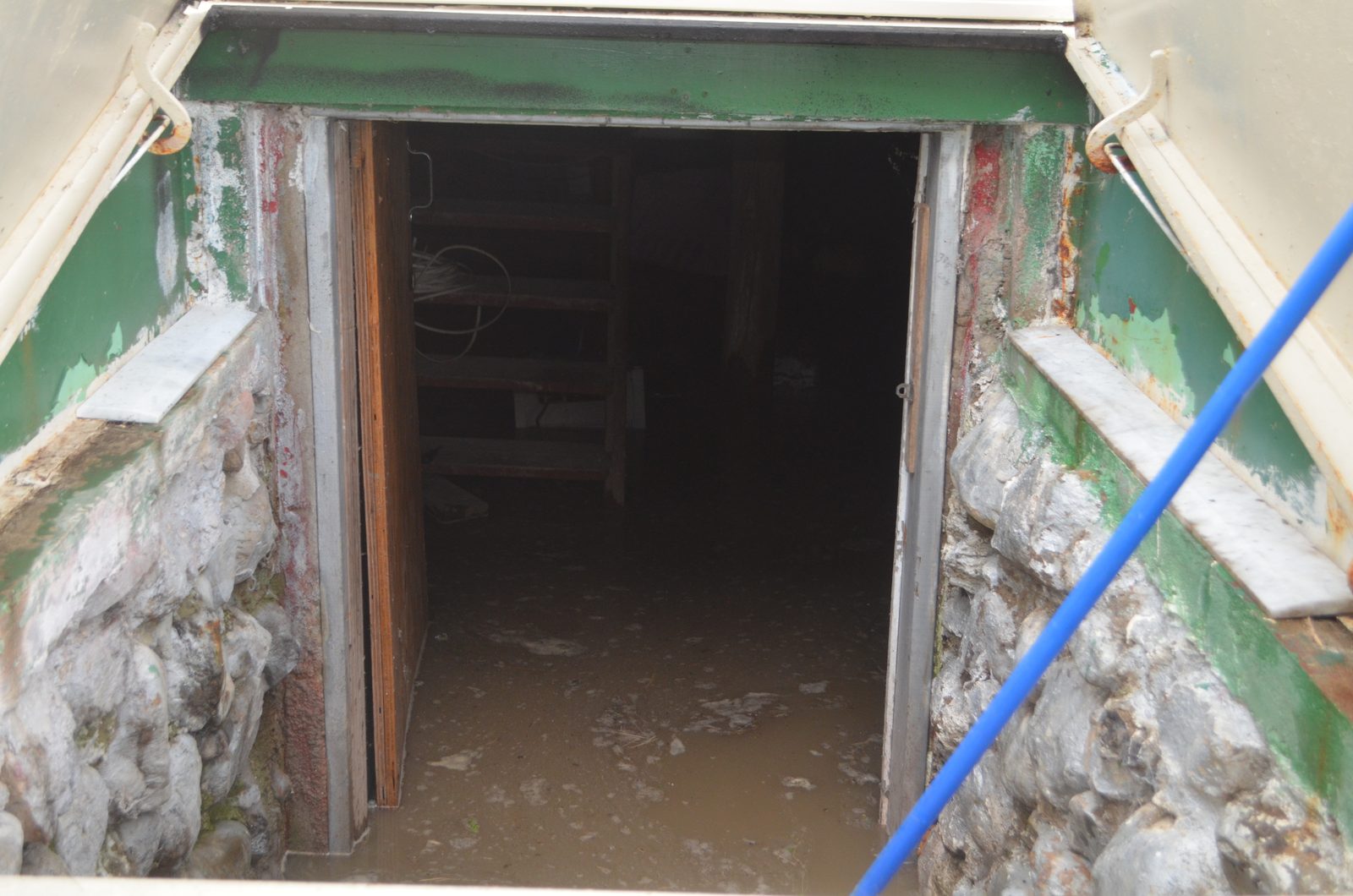
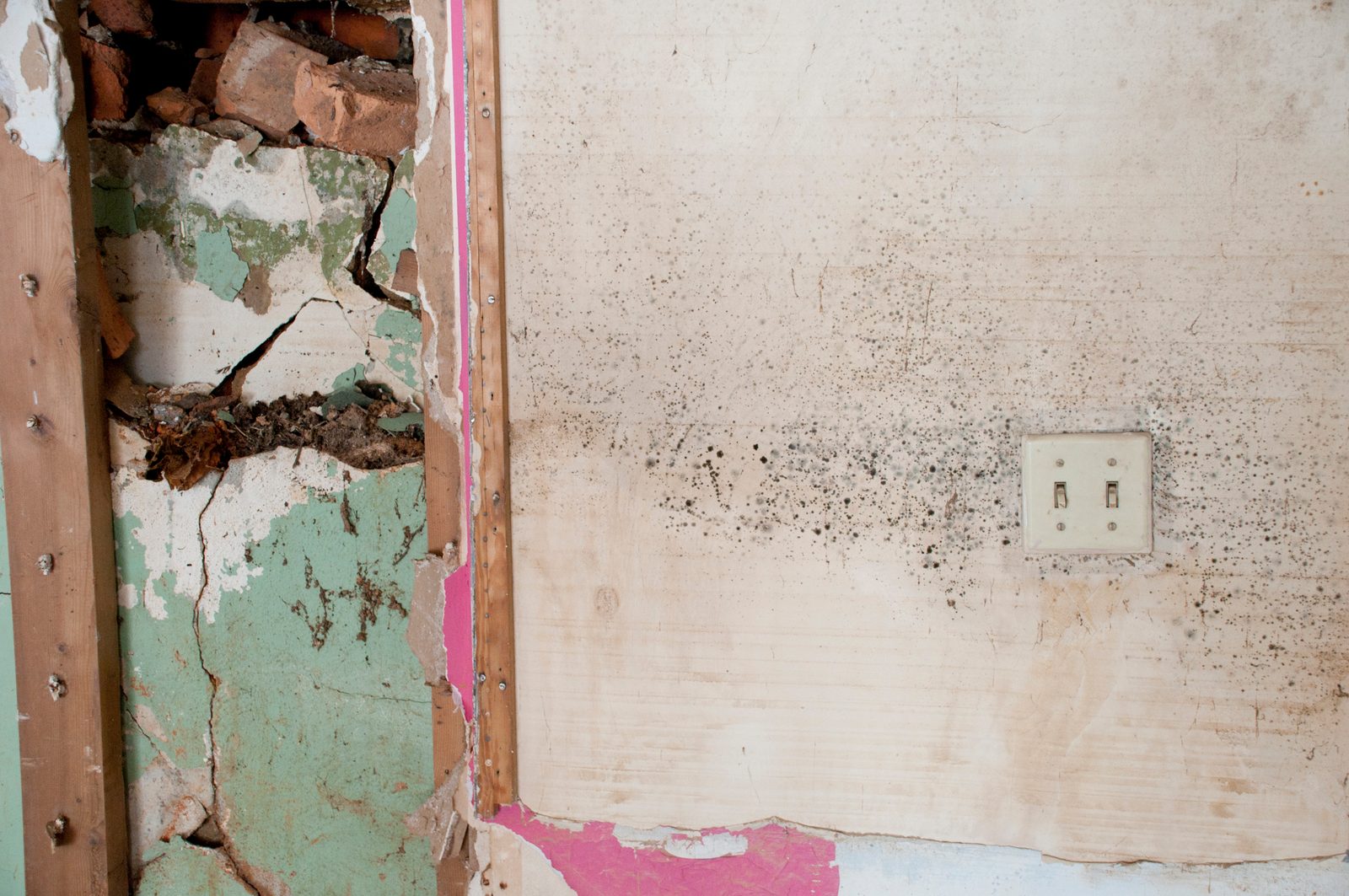
Phone photos from the crew, taken on the job. House numbers and faces stay out; the water line and the equipment stay in.
What south Cook homeowners wrote on Google.
5 stars on Google
Called at 11 at night with a foot of water in the basement and Renee herself picked up. Truck was in the driveway in 40 minutes. They pumped it out, cut the drywall the next morning and showed me the meter readings every day until it was dry. The estimate matched the invoice.
5 stars on Google
Sewer backed up into the finished basement during the June storms. They treated it like the health hazard it was, bagged everything it touched, and would not let us back down there until the air test came back. Honest about what could be saved and what could not.
5 stars on Google
Grease fire on the stove, and the fire department's hose did as much damage as the flames. Calumet dried the kitchen, got the smoke smell out of the whole first floor, and the same crew rebuilt the cabinets and the ceiling. We walked every room with the lead before they left.
Honest answer: when you do not need to call us.
Some water in a house is a mop job, and we would rather tell you that on the phone than send a truck. You probably do not need a restoration company if:
- A bucket or a pot tipped over on a tile or vinyl floor and you wiped it up within the hour. Nothing porous took water.
- A corner of carpet got wet from a window left open in the rain, the pad under it is dry, and a fan dries it by the next morning.
- There is a patch of surface mold smaller than a sheet of paper on a hard surface such as a tile wall or a painted sill. Clean it, then fix the moisture that caused it.
- A drip under the sink was caught the same day and the cabinet floor is solid, not swollen or soft.
If the water sat overnight, reached drywall or a finished floor, came from a drain or the sewer, or you can smell it two days later, call. The phone call is free, and if it is still a mop job we will say so.
The words you will hear from us.
- Mitigation
- Stopping further damage now. Extraction, removing wet material and setting drying equipment in the first 24 to 48 hours. This is the emergency part of the job.
- Remediation
- Removing a hazard. Mold and sewage are remediated: contained, taken out, the area cleaned and tested before people go back in.
- Restoration
- Returning the property to the condition it was in before the loss. Drying is restoration of the structure; the rebuild is restoration of the finishes.
- Category of water
- How contaminated the water is. Category 1 is clean, from a supply line or a tub. Category 2 is grey, from a dishwasher, washing machine or a clean toilet overflow. Category 3 is black, from the sewer, a floor drain, river flooding or any water that sat long enough to grow bacteria. Category 1 water becomes Category 2 after about 48 hours.
- Class of water
- How much of the room is wet and how hard it will be to dry. Class 1 is a small area with little porous material. Class 2 is a whole room with carpet and the walls wet to a foot or two. Class 3 is water from above, with ceilings, walls, insulation and floors all wet. Class 4 is water trapped in hardwood, plaster or concrete, which needs special drying and more time.
- Dry standard
- The moisture reading of the same material in an unaffected part of your house, taken on day one. The job is dry when the wet areas read the same.
- Moisture map
- A floor plan with every reading point marked and the readings written in each day. You get a copy at the end.
- Pack-out
- Moving your contents out of the wet or smoky rooms to the shop, inventoried and photographed, so they can be cleaned and stored dry while the house is worked on.
Questions people ask on the phone.
- How fast will you actually get here?
- Usually within 60 minutes inside the I-294 loop, which covers Homewood, Flossmoor, Hazel Crest, Country Club Hills and Olympia Fields on a normal night. Lansing, Calumet City and Chicago Heights are usually 60 to 90 minutes. During a storm when every sump in south Cook fails at once, we tell you the real time on the call and we do not promise one we cannot keep.
- Is the inspection really free?
- Yes. The lead walks the house, takes readings and photos, and writes the scope. If it is a mop job, we say so and leave. If it is not, nothing beyond stopping further damage starts before you have the written estimate.
- How long does drying take?
- Three to five days for most water jobs, measured by meter readings against the dry standard, not by the calendar. Hardwood floors, plaster walls and concrete take longer, and we tell you which on day one.
- Can I just run fans and a dehumidifier myself?
- For a small clean-water spill caught the same day, yes, and we say so above. For anything that reached drywall, carpet pad or the subfloor, a box fan moves wet air around a wet room. Water trapped behind a wall or under a floor does not dry from the room side, and that is where the mold grows.
- What about insurance?
- The paragraph in the costs section above is the whole of what we do and do not do. Read it there; it is written to be read once.
- Do you fix the pipe or the sump?
- No. A plumber does, and we can give you the names of three in the south suburbs we see on jobs every month. We take the water out, dry the house and rebuild what came out.
- What do the demo numbers on this page mean?
- This is a sample site. The IICRC firm number, the roofing licence number, the reviews, the photos and the price ranges are placeholders so you can see where the real ones go. A real IICRC firm number can be checked on the IICRC locator, and a real Illinois roofing licence on the IDFPR lookup.
Eight towns, one shop on Dixie Highway.
The trucks leave Homewood. Inside the I-294 loop the first truck is usually at the house within the hour; out toward Lansing and Chicago Heights, give us ninety minutes and we will tell you if it is less.
- Homewood, Flossmoor, Olympia Fields Usually within 60 minutes, day or night
- Hazel Crest, Country Club Hills Usually within 60 minutes, day or night
- Lansing, Calumet City, Chicago Heights Usually 60 to 90 minutes; the real time on the call
Calumet Restoration Co
Dixie Highway, Homewood, IL 60430
Open 24 hours, 7 days. Renee or the on-call lead answers.
IICRC Certified Firm #000000 (demo number). Illinois Roofing Contractor License 104.000000 (demo number). General liability and workers' comp, certificate emailed on request.
Not an emergency? Email the shop.
Five fields. Renee calls back the same day to book the free inspection. If water is moving right now, call instead.